
The most common Mercedes AIRMATIC problems are a car that sinks overnight, a compressor that runs too long or fails, and warning messages such as “Visit workshop” or “Vehicle too low”. Most come down to a leaking air spring, a worn compressor, a faulty valve block or a sticking relay. In the UAE, heat and dust speed up wear on the rubber and the compressor, so early checks save money.
How AIRMATIC works
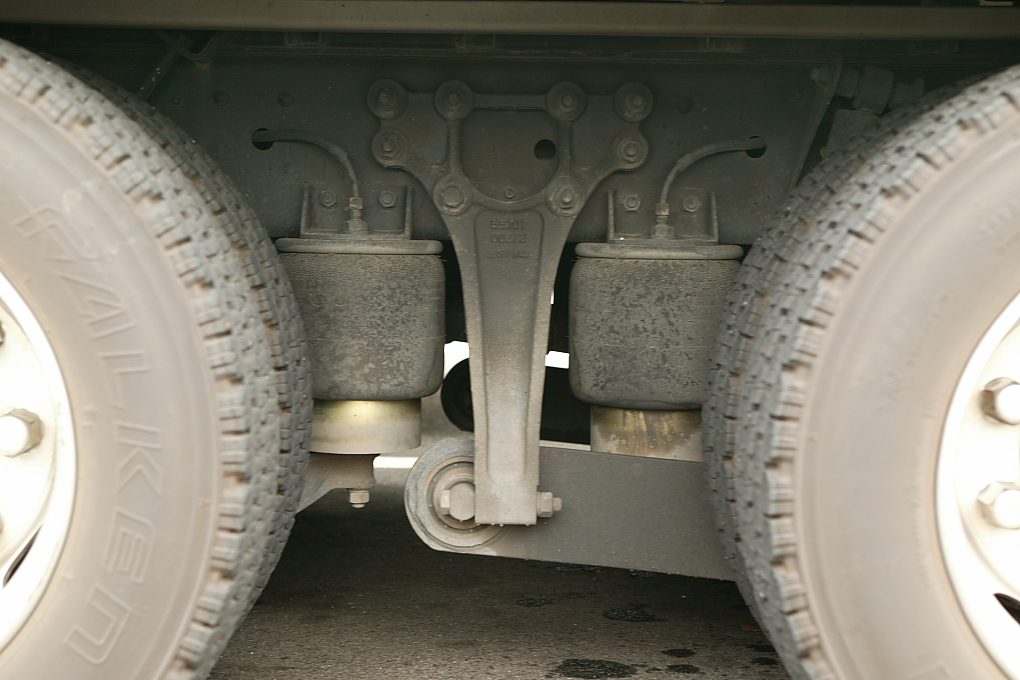
AIRMATIC is Mercedes-Benz’s air suspension system. Instead of steel coil springs, each corner of the car sits on an air spring, a rubber bellows filled with compressed air. A small electric compressor supplies air, a valve block directs it to each corner, and height sensors tell the control unit how high the car is sitting. Adaptive dampers adjust firmness at the same time.
The system lets the car stay level when loaded, lower at motorway speed to cut drag, and raise for ramps and rough roads. It first appeared on the W220 S-Class around 1998 and is now used on many Mercedes models, including S-Class, E-Class, GLE, GLS and others, depending on specification.
Main components
- Air springs or struts at each corner
- Electric compressor, often with a dryer
- Valve block that distributes air
- Height level sensors
- Pressure reservoir on many models
- Control unit and compressor relay
Common symptoms
| Symptom | Likely area to check |
|---|---|
| One corner low after standing overnight | Leaking air spring or line to that corner |
| Whole car low after standing | Valve block leak, or several worn springs |
| Compressor runs for a long time | Leak somewhere in the system, or a weak compressor |
| Compressor never stops, or gets very hot | Sticking relay, which can burn out the compressor |
| “Visit workshop” or suspension warning | Stored fault code; needs diagnosis |
| Harsh, bouncy or crashing ride | Worn dampers or a damper control fault |
| Car does not raise when selected | Compressor, relay, or pressure problem |
A car that drops a little over several days is not unusual on older systems. A car that sinks noticeably overnight has a leak that needs attention.

Why the UAE climate is hard on air suspension
Air springs are made of rubber, and rubber ages faster in heat and sunlight. Cracks start on the outside of the bellows where it folds, then grow until air escapes. Fine dust and sand can collect in the folds and act like sandpaper. The compressor sits low in the car, often near the front, and has to work harder in high ambient temperatures, especially if a slow leak makes it run frequently.
Do not ignore a constantly running compressor
A compressor that runs much more than usual is a warning sign. If the cause is a leak, the compressor will eventually overheat and fail, turning a single air spring repair into a two-part repair. If you hear the compressor running for minutes at a time, book a diagnosis.
Diagnosis: what a good workshop does
- Reads fault codes and live height data with Mercedes-compatible diagnostic software.
- Checks for leaks with leak-detection spray on springs, lines and valve block.
- Measures the compressor’s output and duty time.
- Tests the compressor relay, a cheap part that can cause expensive damage if stuck.
- Checks height sensors and their linkages for damage.
- Inspects the dampers for oil leaks.
Ask for the specific failed part to be identified before agreeing to replace several components.
Repair options
When an air spring fails, owners usually choose between:
- Genuine Mercedes-Benz parts from an authorised dealer, which are the most expensive but come with the brand’s parts warranty.
- Quality aftermarket air springs from established suspension manufacturers, which many independent workshops in the UAE fit.
- Conversion to coil springs using a kit, which removes the air system. This changes how the car rides and may disable features, and it can affect resale value and, in some cases, insurance. Discuss it carefully before choosing it.
Replacing air springs in pairs on the same axle is often recommended so the car stays balanced. Prices vary widely between models, parts brands and workshops, so ask for written quotes.
Preventive habits
Small habits that extend AIRMATIC life
- Park in shade or covered parking when possible.
- Wash the underside occasionally to remove sand and dust from around the springs.
- Have the suspension checked at every service on cars older than five years.
- Do not jack the car without setting the system to jack mode if your model has it; check the owner’s manual.
- Fix leaks early so the compressor does not overwork.
Buying a used Mercedes with AIRMATIC
Before buying, park the car overnight if the seller allows, or ask to see it first thing in the morning. Check that it sits level. During the test drive, select the raised and lowered modes and confirm the car changes height smoothly. Listen for the compressor after start-up; it should run briefly and stop. Ask for invoices for any suspension work, and decode the VIN to confirm the car’s original equipment with our VIN guide.
An air suspension leak is cheaper to fix than the compressor that fails because of it.
Is AIRMATIC worth having?
For comfort, AIRMATIC is excellent. It smooths out broken surfaces, keeps the car level with passengers and luggage, and lets you raise the body for steep driveways. The trade-off is higher repair costs as the car ages. If you plan to keep an older car for many years, budget for suspension work. To compare which models offer air suspension as standard or as an option, see our Model Line Finder.
FAQ
Why does my Mercedes sink overnight?
Most often because an air spring, line or valve block is leaking. A workshop can find the exact source with leak tests and diagnostic data.
Can I drive with an AIRMATIC fault?
If the car is very low, avoid driving because tyres and body can be damaged. If the warning appears but height looks normal, drive carefully to a workshop.
How long do air springs last?
It depends on climate, use and parts quality. Hot climates and dusty conditions tend to shorten their life.
Is converting to coil springs a good idea?
It reduces future air suspension costs but changes ride comfort and may affect features, resale and insurance. Discuss it with a specialist first.
Sources: Mercedes-Benz, Mercedes-Benz Club of America, NHTSA
Last reviewed: 2026-11-25.