
Most modern Mercedes-Benz passenger cars use a 5×112 bolt pattern with a 66.6 mm centre bore and wheel bolts rather than nuts, but that is only the start of fitment. Offset, width, load rating, bolt seat type and tyre pressure sensors all need to match your exact model. Getting them right keeps the car safe, avoids rubbing and protects warranty-relevant parts such as brakes and suspension.
The fitment basics
Wheel fitment is a set of measurements that must all suit the car. These are the ones to know:
| Measurement | What it means | Typical Mercedes passenger car |
|---|---|---|
| Bolt pattern (PCD) | Number of bolts and the circle they sit on | 5×112 on most modern models |
| Centre bore | Diameter of the hole that centres the wheel on the hub | 66.6 mm on most models |
| Wheel bolt thread | Size and pitch of the bolts | Commonly M14x1.5 on modern models |
| Offset (ET) | How far the mounting face is from the wheel’s centre line | Varies by model and axle |
| Width and diameter | Rim width in inches and wheel size | Varies; staggered sizes on many AMG and sport models |
| Load rating | Maximum load each wheel can carry | Must suit the car’s weight, important on SUVs |
Some models are exceptions. The G-Class, vans such as the Sprinter, and older classics use different patterns and bolts. Always check the specification for your exact vehicle. Our Mercedes VIN guide helps you confirm the model and build data.
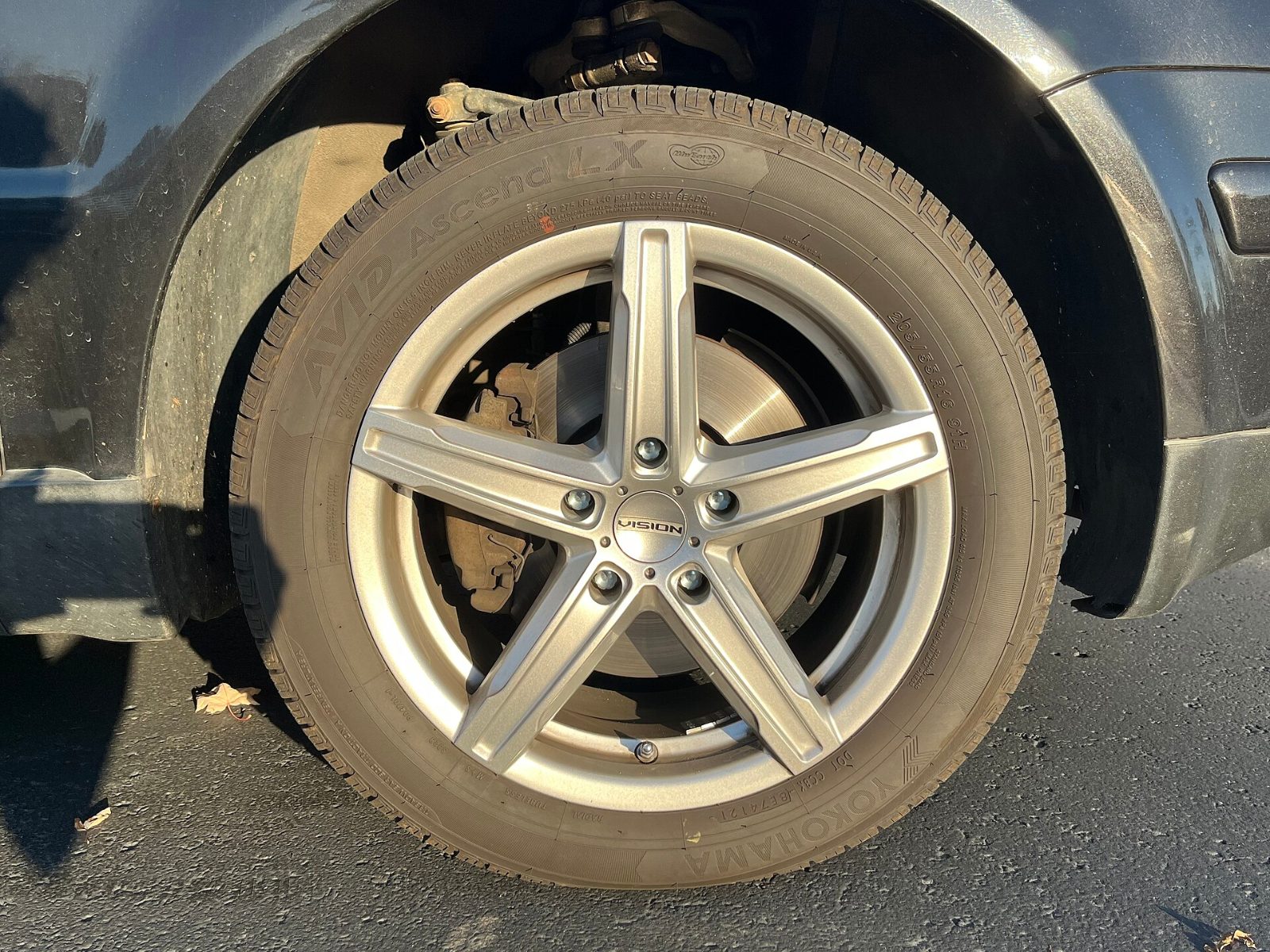
Bolt seats: the detail that catches people out
Wheel bolts sit against a shaped seat in the wheel. Genuine Mercedes wheels typically use a ball (radius) seat. Many aftermarket wheels use a conical (tapered) seat instead.
Never mix bolt seat types
Using Mercedes ball-seat bolts on conical-seat aftermarket wheels, or the reverse, means the bolt only touches a small area of the wheel. Bolts can loosen and wheels can come off. Always use bolts that match the wheel’s seat type and the correct length.
Bolt length matters too. Thicker aftermarket wheels or spacers may need longer bolts, while bolts that are too long can damage hub components.
Offset and clearance
Offset controls how far in or out the wheel sits. Too little offset pushes the wheel out towards the wing and can cause rubbing on full lock or over bumps. Too much pulls it inward, towards the suspension and brake callipers.
Points to check:
- Brake clearance: AMG and larger brake packages need wheels designed to clear the callipers.
- Staggered setups: many sport models use wider rear wheels; front and rear are not interchangeable.
- Tyre size: the overall diameter should stay close to the original so the speedometer and assistance systems work as intended.
- Spacers: if used, they must be hub-centric and fitted with the correct bolts. Many owners avoid them entirely.
Tyre pressure monitoring
Most modern Mercedes models monitor tyre pressure, either with sensors inside each wheel or through the ABS system on some models. When changing wheels:
- Confirm which system your car uses.
- If it uses sensors, fit compatible sensors to the new wheels or transfer the old ones.
- Have the sensors registered or let the car learn them as described in the owner’s manual.
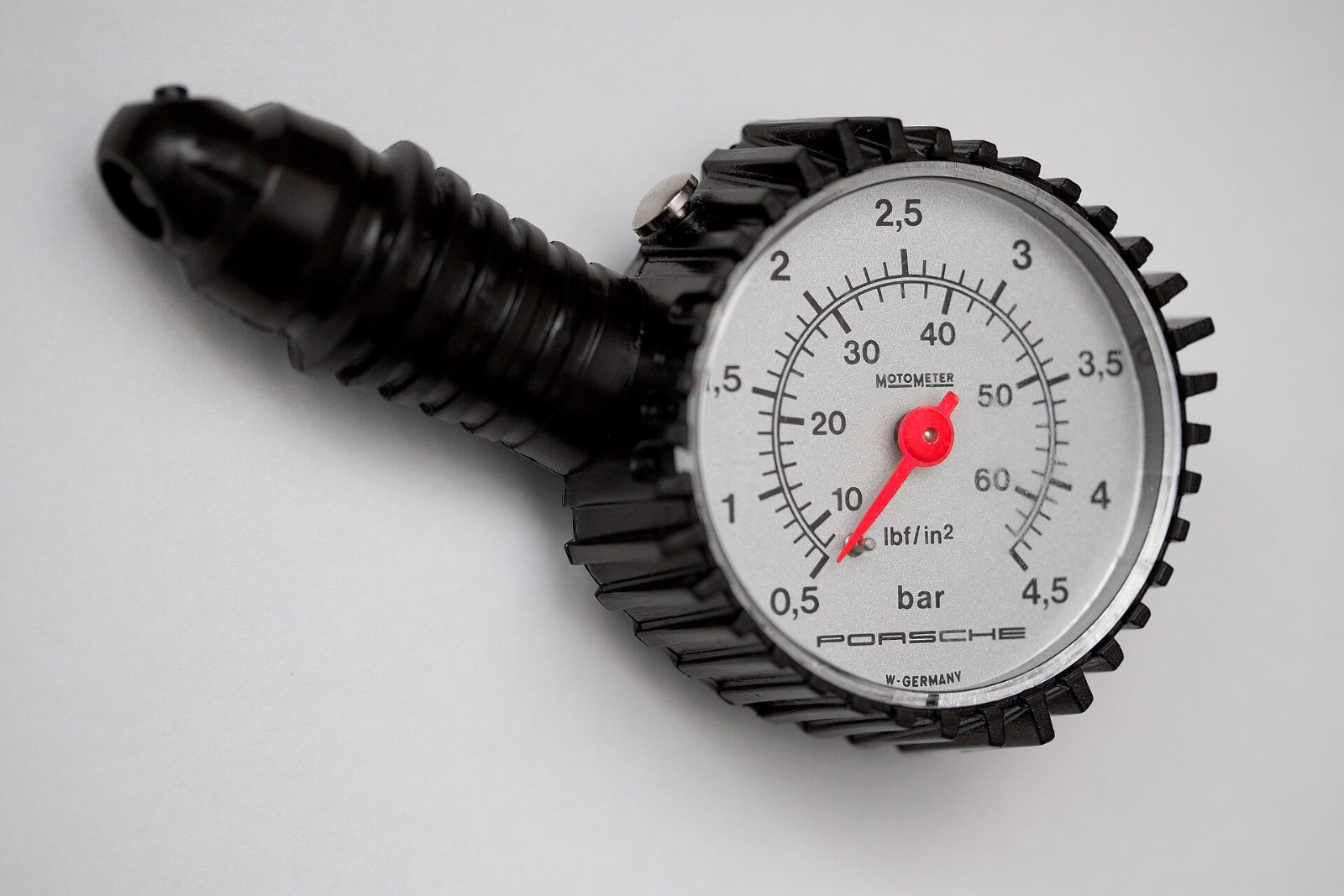
- Set pressures to the values on the label in the door frame or fuel flap.
In summer, tyre pressures rise noticeably as tyres heat up. Check pressures when tyres are cold, ideally in the morning.
Genuine, replica and aftermarket wheels
| Option | Pros | Things to check |
|---|---|---|
| Genuine Mercedes wheels | Designed and tested for the car, correct seat and offset | Price; make sure they are genuine and undamaged |
| Quality aftermarket wheels | Wide design choice, sometimes lighter | Load rating, seat type, offset, hub-centric rings |
| Replica wheels | Look like genuine designs at lower cost | Quality and testing standards vary widely |
For high-performance models, read our guide to AMG rims, which explains forged versus cast wheels and how to spot genuine AMG designs.
Caring for rims in the UAE
Heat, sand and kerbs are the main enemies of alloy wheels here.
- Kerb damage: low-profile tyres offer little protection. Take care in tight car parks and drive-through lanes.
- Brake dust: it bakes onto hot wheels. Regular gentle washing prevents staining.
- Cleaning products: use pH-balanced wheel cleaners. Strong acidic cleaners can damage finishes, especially diamond-cut and painted wheels.
- Sand: rinse thoroughly before scrubbing to avoid scratching.
- Coatings: a ceramic or wheel sealant can make cleaning easier. See our article on ceramic coating a Mercedes.
A damaged wheel is a safety issue, not just a cosmetic one, so have any cracked or bent rim checked before driving far.
Choosing tyres for new rims
New wheels usually mean new tyres, and in the UAE the tyre choice matters as much as the rim. Pick tyres with the load index and speed rating listed for your car, not lower. Look at the DOT date code on the sidewall: tyres age even when unused, and stock that has been stored in heat for a long time is not ideal. Many Mercedes models have approved tyres marked with “MO” or “MOE” on the sidewall, which were developed to suit the car’s handling and, for MOE, run-flat use. If your car came with run-flat tyres and no spare wheel, either keep run-flats or make sure you carry a repair kit or space-saver wheel. Finally, have a full four-wheel alignment after fitting new wheels, since UAE potholes and speed bumps can knock geometry out over time.
When a rim needs repair or replacement
Light kerb scuffs can often be refurbished. Cracks, buckles or damage to the inner barrel usually mean replacement. Signs of a problem include vibrations at speed, slow air loss and visible damage after a pothole. A specialist can check runout and balance.
Torque matters
After fitting wheels, bolts must be tightened to the torque specified for your model, in the correct sequence, using a torque wrench. Ask the workshop to recheck torque after a short distance if the wheels are new.
Frequently asked questions
Are all Mercedes wheels interchangeable?
No. While many share the 5×112 pattern, offset, width, brake clearance and load rating vary by model. Always check the specification.
Can I fit BMW or Audi wheels to my Mercedes?
Some share a bolt pattern, but centre bore, seat type and offset often differ. Use wheels confirmed for your Mercedes model.
Do I need hub-centric rings?
Aftermarket wheels with a larger centre bore than 66.6 mm should use the correct hub-centric rings so the wheel centres properly.
Will larger wheels affect ride comfort?
Usually yes. Larger wheels with thinner tyres feel firmer and are more vulnerable to potholes and kerbs.
Sources: Mercedes-Benz, Michelin tyre advice
Last reviewed: 2026-11-26.